
Home » GST Return Filing
GST Returns Filing in India - Complete Guide
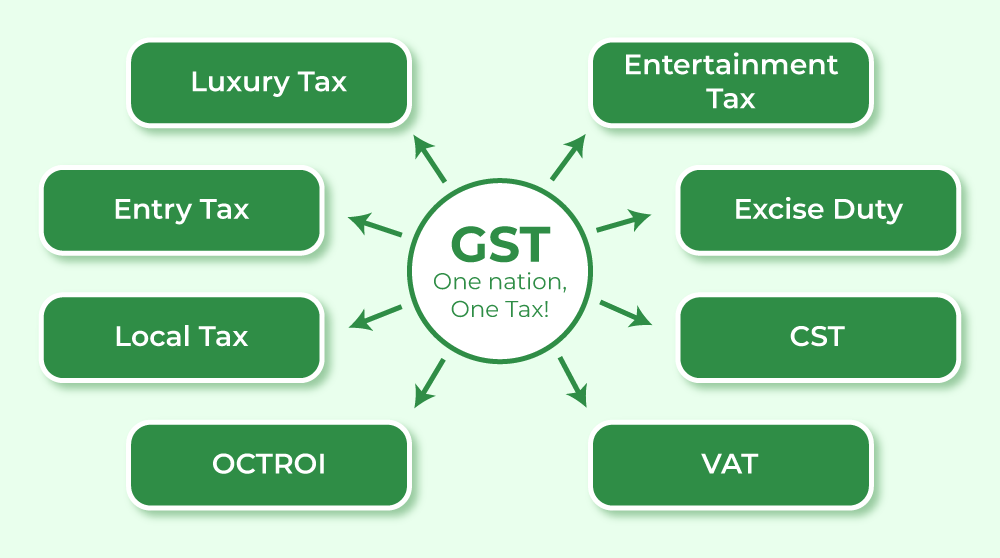
GST returns filing in India is one of the most important and recurring compliances for every GST-registered business. From small traders and startups to large enterprises, timely and accurate GST return filing determines not only tax compliance but also cash flow, input tax credit eligibility, and overall business credibility. Yet, due to multiple return types, frequent rule changes, and strict deadlines, GST returns filing remains confusing for many taxpayers.
In this comprehensive guide, you will gain a crystal-clear understanding of GST returns filing in India—its meaning, types of GST returns, filing process, due dates, penalties, real-life examples, expert insights, common mistakes, actionable tips, and FAQs. Whether you are a business owner, accountant, or professional, this article will help you stay compliant and avoid costly errors.
What Is GST Return?
A GST return is an official document that a registered taxpayer must file with the GST department, declaring:
Sales (outward supplies)
Purchases (inward supplies)
Tax collected
Input tax credit claimed
Tax payable
These returns enable the government to track tax liabilities and ensure transparency across the supply chain.
Why GST Returns Filing Is Mandatory
GST returns filing in India is mandatory to:
Report business transactions
Claim input tax credit (ITC)
Avoid penalties and interest
Maintain active GST registration
Build trust with vendors and customers
Even if there is no business activity, filing Nil GST returns is compulsory.
Who Needs to File GST Returns
GST returns must be filed by:
Regular GST-registered businesses
Composition scheme taxpayers
Input Service Distributors (ISD)
Casual taxable persons
Non-resident taxable persons
E-commerce operators
📌 Filing requirements depend on the type of registration and scheme opted.
Types of GST Returns in India
GST has multiple return forms, each serving a specific purpose.
GSTR-1: Outward Supplies
Filed by regular taxpayers
Details of sales invoices
Monthly or quarterly filing
GSTR-3B: Summary Return
Self-declared summary return
Includes tax liability and ITC
Mandatory for all regular taxpayers
GSTR-2B: Auto-Drafted ITC Statement
Generated automatically
Shows eligible ITC
Used for reconciliation
GSTR-4: Composition Scheme
Filed annually
For composition taxpayers
GSTR-9: Annual Return
Consolidated yearly return
Mandatory for most taxpayers
GSTR-9C: Reconciliation Statement
For turnover above prescribed limits
Certified by CA/CMA
GST Return Filing Frequency
Monthly Filers
Businesses with turnover above threshold
File GSTR-1 and GSTR-3B monthly
Quarterly Filers (QRMP Scheme)
Turnover up to ₹5 crore
GSTR-1 quarterly
GSTR-3B monthly
GST Returns Filing in India: Due Dates
Missing deadlines can attract heavy penalties.
Common Due Dates
GSTR-1 (Monthly): 11th of next month
GSTR-3B: 20th of next month
QRMP GSTR-1: 13th of month following quarter
GSTR-4: 30th April
GSTR-9: 31st December
📌 Due dates may change via government notifications.
Step-by-Step GST Return Filing Process
Let’s simplify the filing process.
Step 1: Login to GST Portal
Visit GST portal
Enter credentials
Step 2: Prepare Return Data
Sales invoices
Purchase invoices
ITC details
Step 3: Reconcile Data
Match GSTR-1 with GSTR-2B
Identify mismatches
Step 4: File GSTR-1
Upload invoice details
Generate summary
Step 5: File GSTR-3B
Declare tax liability
Claim ITC
Pay tax
Step 6: Submit and File
Use DSC or EVC
Download acknowledgment
Importance of Input Tax Credit Reconciliation
Incorrect ITC claims are a major reason for notices.
Key Reconciliation Points
Supplier must file returns
Invoice details must match
ITC must reflect in GSTR-2B
📌 Claiming ineligible ITC can lead to penalties and interest.
Penalties for Late GST Return Filing
Non-compliance can be expensive.
Late Fees
₹50 per day (₹25 CGST + ₹25 SGST)
₹20 per day for Nil returns
Interest
18% per annum on tax payable
Consequences
Blocking of e-way bills
Suspension of GST registration
Loss of ITC
Real-Life Use Case
Case: Retail Business Facing GST Notice
A retail trader failed to reconcile GSTR-3B with GSTR-2B and claimed excess ITC. During scrutiny, the department raised a notice demanding tax, interest, and penalty totaling ₹1.2 lakh. Proper monthly reconciliation could have avoided this loss.
Common Mistakes in GST Returns Filing
Avoid these frequent errors:
Missing filing deadlines
Claiming ITC without supplier filing
Incorrect invoice details
Ignoring Nil return filing
Not reconciling monthly data
Pros and Cons of GST Returns System
Pros
Transparent tax system
Seamless ITC flow
Reduced tax cascading
Digital compliance
Cons
Multiple returns
Frequent rule changes
Technical portal issues
High compliance burden for small businesses
Expert Tips for Hassle-Free Filing
Maintain real-time accounting records
Reconcile data every month
File returns even during zero turnover
Track GST notifications
Seek professional help for complex cases
Latest GST Statistics
Over 1.4 crore GST registrations in India
Average monthly GST collection exceeds ₹1.6 lakh crore
Improved compliance due to analytics-driven scrutiny
(Source: GST Council & CBIC reports)
Internal Linking Suggestions
GST registration process guide
Input tax credit eligibility article
E-way bill compliance page
FAQs on GST Returns Filing in India
1. Is GST return filing mandatory without sales?
Yes. Nil returns must be filed to avoid penalties.
2. Can GST returns be revised?
No. Errors must be corrected in subsequent returns.
3. What happens if GST returns are not filed?
Late fees, interest, notices, and suspension of registration.
4. Which return is most important?
GSTR-3B, as tax payment is made through it.
5. Can professionals file GST returns on behalf of businesses?
Yes. Authorized representatives can file using DSC or EVC.
Conclusion: GST Returns Filing in India
GST returns filing in India is the backbone of GST compliance. While the process may appear complex, a clear understanding of return types, due dates, reconciliation, and penalties makes compliance manageable. Timely and accurate filing not only avoids legal trouble but also ensures smooth cash flow through uninterrupted input tax credit.
Businesses that treat GST returns filing as a routine discipline rather than a last-minute task are better positioned for long-term success.
Call to Action (CTA)
Struggling with GST returns filing in India or facing notices due to errors?
📞 Consult a GST expert today for accurate filings, seamless compliance, and complete peace of mind.
Stay compliant. Stay confident.