
Home » Uncategorized » Required Registrations for Juice Shop in Hyderabad Guide
Required Registrations for Juice Shop in Hyderabad
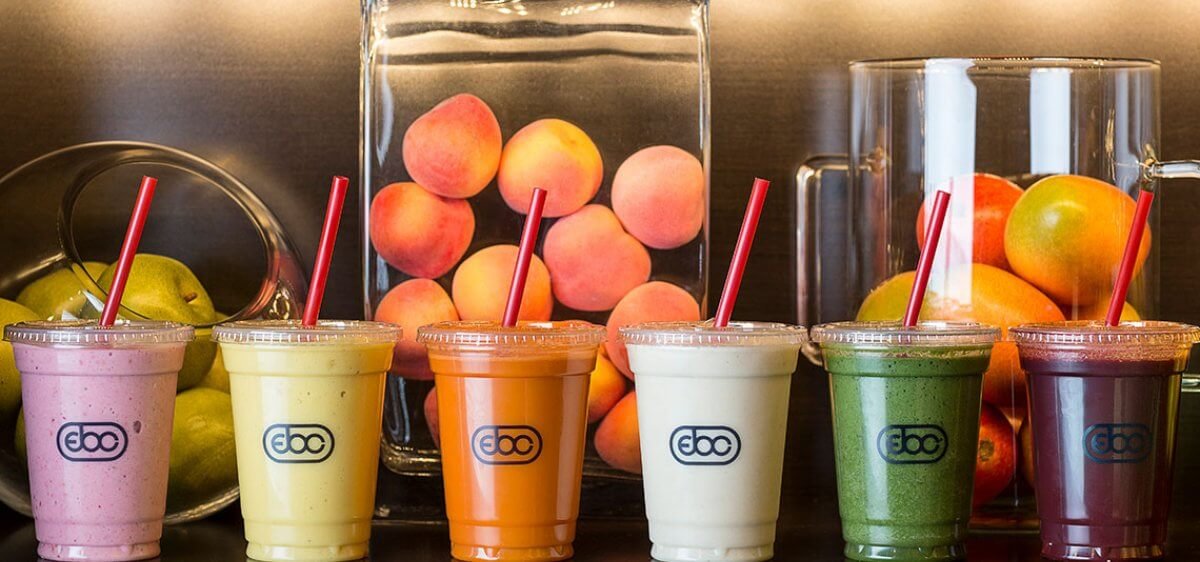
Starting a juice shop is one of the most profitable food businesses in India. With increasing health awareness, customers are choosing fresh fruit juices, smoothies, detox drinks, and sugar-free beverages over carbonated soft drinks. However, before serving your first customer, you must complete the Required registrations for juice shop to operate legally and avoid penalties.
Whether you are opening a small roadside fresh juice stall, a takeaway juice center, or a premium juice café, obtaining the right registrations and licenses is essential. These registrations not only help you comply with government regulations but also improve customer trust, simplify tax compliance, and enable business expansion.
In this complete guide, you will learn every registration and license required for a juice shop in Hyderabad and across India, including eligibility, documents, costs, benefits, registration process, and common mistakes to avoid.
Why Registrations Matter
Many new entrepreneurs believe a small juice shop does not require government approvals. Unfortunately, this misconception can lead to penalties, business closure, or legal notices.
Proper registrations help you:
Operate legally
Build customer confidence
Apply for business loans
Register on food delivery apps
Open a business current account
Purchase commercial insurance
Expand into multiple branches
Avoid government penalties
Moreover, licensed businesses are preferred by customers because they assure hygiene and food safety.
Growing Juice Business Market
The Indian beverage industry continues to grow rapidly due to increasing health consciousness.
Recent industry reports indicate:
India’s non-alcoholic beverage market continues to witness steady annual growth.
Fresh juice and healthy beverage segments are among the fastest-growing categories.
Online food delivery platforms have significantly increased juice shop sales.
Urban consumers increasingly prefer fresh fruit juices over packaged drinks.
These trends make this an excellent time to start a legally compliant juice business.
Business Structure First
Before applying for licenses, decide your business structure.
Popular options include:
Sole Proprietorship
Partnership Firm
LLP
Private Limited Company
One Person Company (OPC)
A proprietorship is generally suitable for small juice shops, while LLPs and Private Limited Companies are preferred for larger businesses planning expansion.
FSSAI Registration
The Food Safety and Standards Authority of India (FSSAI) registration is the most important requirement.
Every juice shop that prepares or sells beverages for human consumption requires an FSSAI license.
Who Needs It?
Fresh juice stalls
Juice cafés
Smoothie bars
Fruit shake centers
Health drink outlets
Multi-branch juice chains
Types
Basic Registration
Suitable for small businesses with lower annual turnover.
State License
Required for medium-sized businesses.
Central License
Applicable for large businesses operating across states or with high turnover.
Documents Required
Aadhaar Card
PAN Card
Passport-size photo
Business address proof
Shop ownership proof or rental agreement
Business details
Mobile number
Email ID
Benefits
Legal food business operation
Improved customer confidence
Eligibility for online delivery platforms
Avoidance of heavy penalties
Better brand reputation
Trade License
A Trade License is issued by the Municipal Corporation.
This license confirms that your business complies with local municipal regulations.
It is generally required before operating a commercial establishment.
Purpose
Public health protection
Hygiene compliance
Safe business operation
Required Documents
Identity proof
Address proof
Property documents
Rental agreement
Passport-size photographs
Business details
Shop and Establishment Registration
Most commercial establishments should register under the Shop and Establishment Act according to state rules.
This registration regulates:
Employee working hours
Weekly holidays
Leave records
Employment conditions
Even if you employ only a few workers, registration may be required depending on local regulations.
GST Registration
GST registration depends upon your turnover and business activities.
It is generally recommended when:
Turnover exceeds the prescribed threshold
Selling through Swiggy or Zomato
Interstate supplies
Voluntary registration for Input Tax Credit
Benefits
Claim Input Tax Credit
Issue GST invoices
Supply to corporate customers
Improved business credibility
MSME Registration
MSME (Udyam Registration) is optional but highly beneficial.
Advantages
Easy business loans
Government subsidies
Lower interest rates
Tender participation
Financial assistance schemes
Since registration is free on the government portal, almost every juice shop should obtain it.
Business PAN
A business PAN becomes essential for:
GST registration
Business banking
Income tax filing
Financial transactions
Companies, LLPs, and partnerships require separate PAN cards.
Current Bank Account
A business current account separates personal and business finances.
Benefits include:
Professional transactions
Easy accounting
Higher transaction limits
Loan eligibility
Better financial management
Banks generally ask for:
PAN
Business registration
Address proof
Identity proof
GST (if applicable)
Fire Safety Approval
Some commercial premises require Fire Department approval.
It is particularly important if your juice café includes:
Kitchen equipment
Electrical appliances
Air conditioning systems
Large customer seating
Always check local municipal requirements.
Labour Registrations
If you employ staff, additional registrations may apply.
Examples include:
Employee State Insurance (ESI)
Employees Provident Fund (EPF)
Professional Tax (where applicable)
These registrations depend on employee count and applicable laws.
Pollution Clearance
A standard juice shop generally creates minimal pollution.
However, local authorities may require environmental compliance for:
Large commercial food establishments
Wastewater disposal
Commercial waste management
Always verify municipal requirements.
Trademark Registration
Although optional, trademark registration protects your business name.
For example, if your juice shop becomes popular, competitors cannot legally copy your registered brand.
Trademark registration helps:
Protect your logo
Secure your business identity
Build customer trust
Support franchise expansion
Barcode Registration
If you manufacture bottled juices or packaged beverages, barcode registration becomes useful.
Benefits include:
Retail sales
Supermarket listings
Inventory management
Export readiness
License Checklist
A typical juice shop may require:
FSSAI Registration
Trade License
Shop & Establishment Registration
GST Registration (if applicable)
MSME Registration
Business PAN
Current Account
Fire NOC (where applicable)
Labour Registrations (if applicable)
Trademark Registration (recommended)
Registration Process
Step 1
Choose the business structure.
Step 2
Finalize the business location.
Step 3
Collect all required documents.
Step 4
Apply for FSSAI registration.
Step 5
Obtain the Trade License.
Step 6
Register under the Shop and Establishment Act.
Step 7
Apply for GST if applicable.
Step 8
Open a business bank account.
Step 9
Complete MSME registration.
Step 10
Start operations legally.
Documents Required
Generally, you will need:
Aadhaar Card
PAN Card
Passport-size photographs
Mobile number
Email ID
Rental agreement
Electricity bill
Business address proof
Ownership proof
Partnership deed (if applicable)
Certificate of Incorporation (for companies)
Bank details
Approximate Costs
Registration costs vary depending on:
Business type
License category
Government fees
Professional service charges
Business turnover
Always obtain quotations before applying.
Timeline
Most registrations are completed within:
| Registration | Approximate Time |
|---|---|
| FSSAI | 7–30 days |
| GST | 3–10 days |
| MSME | Same day |
| Trade License | 7–20 days |
| Trademark | Several months |
Actual timelines depend on document accuracy and government processing.
Real-Life Example
Rahul started a small juice shop in Hyderabad.
Initially, he operated without registrations.
Within a few months:
Food delivery platforms rejected onboarding.
Banks refused a business account.
Municipal authorities questioned the business.
After obtaining:
FSSAI Registration
Trade License
MSME Registration
GST Registration
He successfully partnered with Swiggy and Zomato, secured a business loan, and expanded to multiple outlets.
Advantages
Legal business operations
Increased customer trust
Better food safety compliance
Easier financing
Business expansion
Corporate partnerships
Online delivery eligibility
Government scheme access
Challenges
Documentation requirements
Renewal tracking
Regulatory compliance
Additional costs
Changing legal requirements
Professional assistance helps avoid these issues.
Common Mistakes
Avoid these common errors:
Starting operations without FSSAI
Ignoring municipal approvals
Using personal bank accounts
Missing GST applicability
Choosing the wrong business structure
Delaying trademark registration
Ignoring employee compliance
Keeping incomplete records
Expert Tips
Register your business before investing heavily.
Maintain digital copies of every license.
Display your FSSAI certificate prominently.
Renew licenses before expiry.
Keep proper purchase invoices.
Maintain hygiene standards consistently.
Register your trademark early.
Separate business and personal finances.
Additional Services
Business Bank Account
Shop Registration
Frequently Asked Questions
Is FSSAI mandatory for a juice shop?
Yes. Every business involved in preparing or selling food or beverages generally requires FSSAI registration or the appropriate FSSAI license based on its turnover and business operations.
Is GST compulsory for every juice shop?
No. GST registration depends on factors such as turnover, business model, and legal requirements. However, businesses selling through food delivery platforms or crossing the prescribed turnover limit may need GST registration.
Can I start a roadside juice stall without registration?
Operating without mandatory registrations can lead to penalties and business disruptions. Even small juice stalls usually require at least FSSAI registration and may need other local approvals depending on municipal rules.
Which business structure is best?
A Sole Proprietorship is suitable for many small juice shops due to its simplicity. However, entrepreneurs planning multiple branches, investors, or franchise expansion often prefer LLPs or Private Limited Companies.
Can I open a business bank account without GST?
Yes. Many banks allow current accounts using business registration documents even if GST registration is not mandatory. However, document requirements vary by bank and business type.
Conclusion
Obtaining the Required registrations for juice shop is the foundation of running a successful and legally compliant food business. From FSSAI registration and Trade License to GST, MSME, and Shop and Establishment registration, each approval plays a crucial role in protecting your business, enhancing customer trust, and enabling long-term growth.
Whether you are launching a small fresh juice stall or planning a premium juice café chain, completing the Required registrations for juice shop before commencing operations will help you avoid legal complications, access financial opportunities, and confidently expand your business.
Ready to Start Your Juice Shop?
Need expert assistance with FSSAI Registration, GST Registration, Trade License, MSME Registration, Trademark Registration, or complete business registration services in Hyderabad? Contact Invention Tax Solutions today for fast, reliable, and professional end-to-end registration support and start your juice business with confidence.