
GHMC Food License Registration in Hyderabad: Complete 2026 Guide
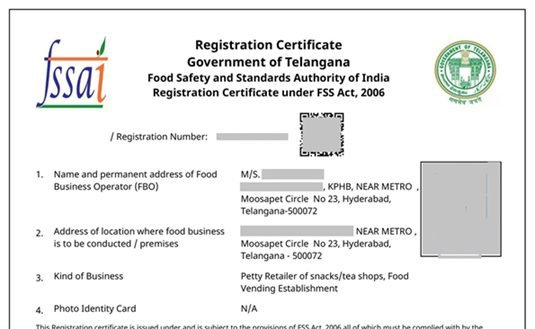
GHMC food license registration is a mandatory compliance requirement for anyone planning to start a food business within Hyderabad city limits. Whether you are opening a restaurant in Jubilee Hills, launching a cloud kitchen in Madhapur, starting a bakery in Kukatpally, or running a small food stall near Charminar, you must ensure proper licensing before serving customers.
Hyderabad’s food industry is expanding rapidly. With thousands of new eateries, cafés, food trucks, and home kitchens emerging every year, regulatory oversight has become stricter. In this comprehensive guide, you’ll learn everything about GHMC food license registration—legal framework, documents, process, FSSAI linkage, inspections, renewal, penalties, expert insights, real-life examples, and actionable compliance tips.
If you want to operate legally, avoid penalties, and build long-term credibility, this guide is for you.
What Is GHMC Food License?
GHMC food license registration refers to the local municipal approval required for food businesses operating under the jurisdiction of the Greater Hyderabad Municipal Corporation (GHMC).
However, here’s an important clarification:
Food businesses in Hyderabad usually require two major approvals:
Municipal trade approval from GHMC
Food safety license under the Food Safety and Standards Authority of India (FSSAI)
Many entrepreneurs confuse these two. In reality, both are often mandatory depending on the business type.
Why It Is Mandatory
Food directly impacts public health. Therefore, authorities regulate:
Hygiene standards
Food storage practices
Kitchen sanitation
Waste disposal
Fire safety compliance
Failure to obtain proper licensing can result in:
Heavy fines
Sealing of premises
Legal prosecution
Reputation damage
In recent years, inspections have increased across food hubs like:
Banjara Hills
Gachibowli
Madhapur
Secunderabad
Therefore, GHMC food license registration is not optional—it is essential.
Legal Framework Explained
Food businesses in Hyderabad operate under two regulatory layers:
Municipal Regulation
GHMC ensures:
Building compliance
Zoning approval
Sanitation
Waste management
Trade permission
Food Safety Regulation
FSSAI regulates:
Food quality standards
Ingredients
Storage procedures
Labelling norms
Together, these ensure public health protection.
Who Needs Registration?
If you handle, prepare, distribute, or sell food within GHMC limits, registration is required.
Businesses Covered
Restaurants
Cafés
Bakeries
Cloud kitchens
Food trucks
Sweet shops
Catering services
Ice cream parlors
Meat shops
Tiffin centers
Home-based food sellers
Even small-scale operators require registration.
Real-Life Example
A home baker in Kondapur started selling cakes through Instagram. She assumed small volume exempted her from compliance. However, during a local inspection, she was asked to produce FSSAI and GHMC approvals.
Lesson: Online business does not mean regulatory exemption.
Types of Food Licenses
Understanding the correct category prevents delays.
FSSAI Basic Registration
Small businesses
Turnover below prescribed limit
Home kitchens
State License
Medium-scale restaurants
Food manufacturers
Central License
Large manufacturers
Exporters
Multi-state operators
GHMC trade approval is required in addition to the appropriate FSSAI category.
Documents Required
Proper documentation ensures smooth processing.
Basic Documents
Aadhaar & PAN
Address proof
Rental agreement or ownership proof
Property tax receipt
Electricity bill
Passport photo
Food-Specific Documents
Kitchen layout plan
Equipment list
Water testing report
Food safety management plan
NOC from fire department (if required)
Ensure consistency across all documents.
Step-by-Step Process
Here is a simplified roadmap for GHMC food license registration.
Step 1: Business Entity Setup
Register your business as:
Proprietorship
Partnership
LLP
Private Limited Company
Step 2: Apply for GHMC Trade Approval
Submit:
Business details
Category selection
Premises information
Required documents
Applicable fees
Inspection may be conducted.
Step 3: Apply for FSSAI License
Register via FSSAI portal under correct category.
Step 4: Inspection and Verification
Authorities may check:
Cleanliness
Storage areas
Fire safety
Drainage
Pest control
Step 5: License Issuance
Once approved, you receive:
Trade certificate
FSSAI license number
Display them prominently at premises.
Fees Structure
Fees vary based on business type and size.
GHMC Fees
Small food outlet: ₹2,000–₹5,000 annually
Restaurant: ₹5,000–₹15,000 annually
Manufacturing unit: Higher slabs
FSSAI Fees
Basic: ₹100 per year
State: ₹2,000–₹5,000 per year
Central: ₹7,500 per year
Note: Fees are subject to change as per latest notifications.
Processing Time
Typically:
GHMC approval: 7–21 working days
FSSAI approval: 15–30 working days
Delays occur due to:
Incorrect category selection
Missing documents
Poor inspection compliance
Common Inspection Points
Authorities examine:
Food storage temperature
Separate veg/non-veg storage
Clean water source
Staff hygiene
Waste disposal system
Pest control records
Maintain a compliance file for smooth inspections.
Penalties for Non-Compliance
Operating without proper GHMC food license registration may lead to:
Fine up to ₹5 lakh (under FSSAI Act in severe cases)
Closure notices
Product seizure
Criminal prosecution in extreme violations
Repeated violations can permanently damage brand credibility.
Pros and Cons
Pros
Legal protection
Consumer trust
Bank loan eligibility
Zomato/Swiggy onboarding
Investor confidence
Cons
Documentation effort
Periodic inspections
Renewal formalities
However, compliance builds long-term stability.
Expert Insights from 20 Years
After working with hundreds of food businesses in Hyderabad:
Start compliance before interior setup.
Align kitchen layout with inspection norms.
Train staff on hygiene protocols.
Keep water test reports updated.
Maintain pest control contracts.
Small compliance steps prevent major disruptions.
Real-World Use Cases
Cloud Kitchen Success
A Madhapur cloud kitchen secured multiple aggregator partnerships quickly because all licenses were ready before launch.
Restaurant Closure Case
A Jubilee Hills restaurant faced temporary sealing due to expired trade approval, despite having FSSAI license.
Lesson: Both approvals are equally important.
Common Mistakes to Avoid
Choosing wrong FSSAI category
Ignoring fire safety norms
Operating from residential premises without approval
Not displaying license number
Delaying renewal
Avoid shortcuts. They often cost more later.
Renewal Process
Licenses require periodic renewal.
Renewal Tips
Apply 30 days before expiry
Update employee and turnover details
Clear pending dues
Keep inspection records ready
Late renewal may attract penalties.
Latest Trends in Hyderabad Food Sector
Hyderabad’s food industry has grown significantly due to:
IT workforce expansion
Online delivery platforms
Startup ecosystem growth
Rise of home-based businesses
With increasing public awareness about food safety, compliance standards are becoming stricter.
Digital inspections and surprise audits are more frequent than before.
Internal Linking Suggestions
To enhance SEO, link this article to related topics:
“Company registration in Hyderabad”
“Professional tax compliance guide”
“Cloud kitchen setup checklist”
Use concise anchor texts like:
business incorporation steps
GST filing guide
municipal license process
payroll compliance
kitchen setup checklist
Avoid repeating anchor phrases.
Actionable Compliance Checklist
Before launching your food business:
Register business entity
Apply for GHMC trade approval
Obtain FSSAI license
Install fire safety equipment
Conduct water testing
Set up pest control contract
Train kitchen staff
Display licenses publicly
Following this checklist reduces risk drastically.
Frequently Asked Questions
1. Is GHMC food license registration mandatory for small food stalls?
Yes. Even small vendors operating within GHMC limits must obtain appropriate approvals.
2. Is FSSAI license enough?
No. Municipal trade approval and FSSAI registration serve different purposes. Both may be required.
3. Can home kitchens operate legally?
Yes, but they must obtain basic FSSAI registration and local trade approval if applicable.
4. How long does approval take?
Typically between 2 to 4 weeks, depending on category and inspection compliance.
5. What happens if license expires?
Operating with expired license can lead to fines and closure notices. Always renew before expiry.
Final Thoughts
GHMC food license registration is the foundation of a legally compliant and trustworthy food business in Hyderabad. While the process involves documentation and inspections, the long-term benefits far outweigh the effort.
In today’s competitive food market, compliance is not just about avoiding penalties—it builds consumer confidence, strengthens brand image, and opens doors to partnerships and funding.
If you are planning to start or expand a food venture in Hyderabad, do not delay this critical step.
Take Action Today
Prepare your documents
Choose correct license category
Apply for GHMC and FSSAI approvals
Ensure inspection readiness
Secure your GHMC food license registration now and build a safe, compliant, and successful food business in Hyderabad.